

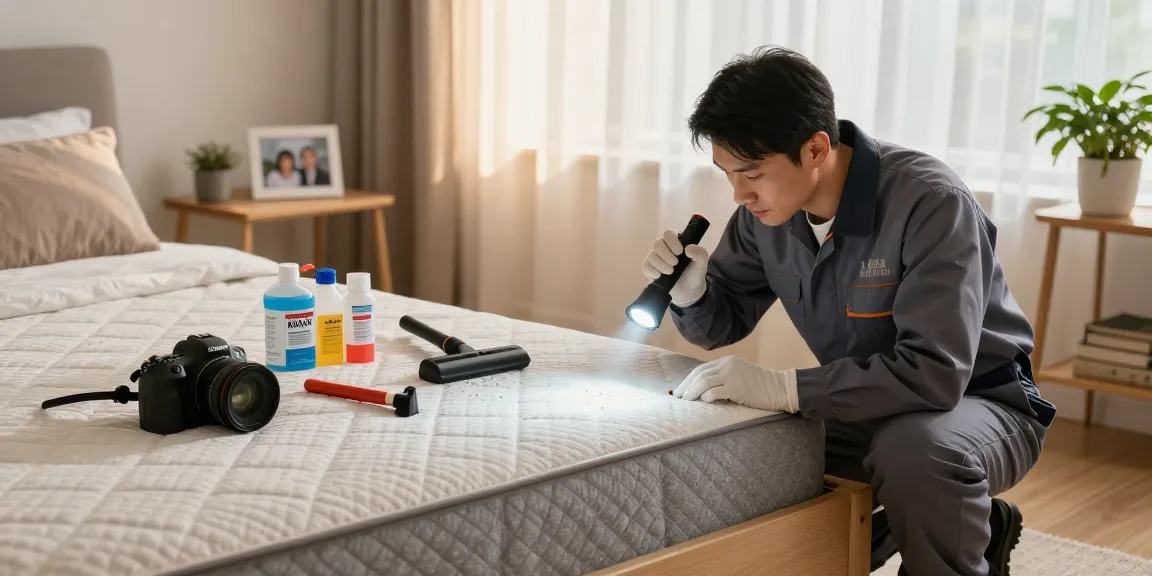
Understanding Bed Bugs: The Basics of Removal
Bed bugs are a growing concern in urban areas, particularly in densely populated cities like Milwaukee. These pesky pests have gained notoriety for their ability to infiltrate homes, hotels, and commercial spaces, often going unnoticed until an infestation becomes severe. Understanding bed bugs and their behavior is crucial to effectively addressing a bed bug issue. By familiarizing yourself with these pests, you can take proactive measures for bed bug removal and prevent future invasions.
What are Bed Bugs and Why Are They a Problem?
Bed bugs, scientifically known as Cimex lectularius, are small, wingless insects that feed on human and animal blood. Their flat bodies allow them to hide easily in cracks and crevices, making detection challenging. A typical adult bed bug is about the size of an apple seed, usually brown or reddish-brown, and can live for several months without feeding. Their reproduction rates are alarming, as a single female can lay hundreds of eggs in her lifetime. This rapid reproduction can lead to overwhelming infestations if not addressed quickly.
Common Signs of Bed Bug Infestations
Identifying a bed bug problem early can save you time, money, and stress. Common signs of an infestation include:
- Itchy, red welts on the skin, often in a line or cluster
- Small bloodstains on sheets or mattresses
- Dark brown or black spots on bedding, indicative of bed bug excrement
- Empty bed bug skins, which they shed as they grow
- Visible bed bugs in seams of mattresses, furniture, or wall cracks
Understanding Bed Bug Behavior and Habitats
Bed bugs are primarily nocturnal and tend to feed on their hosts while they sleep. They can travel up to 100 feet in one night in search of a meal. Their nocturnal nature means they often go unnoticed until the signs of bites or an infestation become apparent. They prefer to hide in places close to their food source—typically within 8 feet of a sleeping area—favoring dark and secluded spots such as:
- The seams of mattresses and box springs
- Bed frames and headboards
- Cracks in walls and furniture
- Behind pictures and within electrical outlets
Effective Strategies for Bed Bug Removal
Successfully eliminating bed bugs involves understanding the various treatment options available. Depending on the severity of the infestation, a combination of methods is often the most effective approach. Below, we discuss chemical treatments, heat treatments, and DIY methods.
Comprehensive Chemical Treatment Options
Chemical treatments are one of the most common methods for bed bug removal. These involve the use of insecticides specifically formulated to target bed bugs and their eggs. While DIY chemical solutions may kill some bed bugs, for a comprehensive approach, hiring a professional pest control service is advisable. Professional treatments often utilize high-quality residual insecticides that provide a long-lasting barrier, protecting your home for several months against re-infestation.
Heat Treatment: An Eco-Friendly Approach
Heat treatment is another effective method for bed bug removal that has gained popularity due to its eco-friendly nature. Professional exterminators use specialized equipment to raise the temperature in your home to a level that is lethal to bed bugs. This method not only eliminates all life stages of bed bugs—from eggs to adults—but also helps eradicate other allergens like dust mites. By providing a thorough heat treatment, homeowners can achieve lasting peace of mind, knowing that these pests won’t return easily.
DIY Methods: What Works and What Doesn’t?
While some might consider DIY solutions as a first line of defense, they can often fall short in effectively eliminating a full infestation. Products like rubbing alcohol or essential oils may kill individual bugs on contact but lack the ability to penetrate into the numerous hiding spots that bed bugs utilize. Homeowners are encouraged to conduct thorough inspections and possibly integrate these methods with professional treatments, especially in the early stages of an infestation.
Preparing for Bed Bug Treatment
Preparation is crucial to maximizing the effectiveness of any treatment plan. Whether you opt for chemical or heat treatments, certain steps should be followed to ensure a smooth, disruption-free process.
Essential Steps Before Professional Treatment
Before the exterminators arrive, it’s crucial to prepare your home. Essential preparation steps include:
- Decluttering the affected areas to allow easier access for treatment
- Washing and bagging all bedding, curtains, and clothing in hot water
- Vacuuming thoroughly and sealing the vacuum bag immediately
How to Create a Disruption-Free Environment
Creating a conducive environment for treatment involves limiting potential disruptions. Make sure that pets are kept away from the treatment area and that family members are informed of the upcoming work. This not only protects the pets but also enhances the efficiency of the exterminators. Additionally, avoid disturbing treated areas for the duration recommended by the pest control professionals.
Understanding the Costs of Bed Bug Removal
The cost of bed bug removal will vary based on several factors, including the extent of the infestation and the chosen treatment method. Typically, professional treatments can range from $200 to over $2,000, depending on the severity and area coverage required. Many companies also offer payment plans or financing options to ease the financial burden on homeowners.
Preventing Future Infestations
After successfully removing bed bugs, taking steps to prevent future infestations is essential. Implementing proactive measures can significantly reduce the likelihood of encountering these pests again.
Best Practices for Avoiding Bed Bugs
To minimize the risk of a new bed bug infestation, consider the following best practices:
- Inspect second-hand furniture and clothing before bringing items into your home
- Limit the number of personal items placed on shared surfaces in public spaces
- Use protective mattress encasements to keep bed bugs from hiding in your mattress
Regular Monitoring and Inspection Techniques
Regular inspections of your home can catch bed bugs before they become a larger problem. Look for signs of infestation, such as small blood stains on sheets, and consider employing a K9 inspection team if you suspect an infestation without visible signs. These specially trained dogs can detect bed bugs through scent, offering a proactive approach to monitoring your living spaces.
Utilizing Preventative Treatments Effectively
Using preventative treatments, such as residual insecticides, can help maintain a protective barrier around your home. Regularly applying these products, especially in high-risk areas, provides an additional layer of security against potential reinfestation.
Case Studies and Success Stories in Bed Bug Removal
Anecdotal evidence can often highlight the effectiveness of various bed bug treatments. Below, we share some notable success stories and case studies that illustrate how residents have triumphed over bed bugs.
Real-World Experiences: What Worked?
In a recent case involving an apartment complex in Milwaukee, a severe bed bug infestation was successfully eliminated using a combination of heat treatment and residual chemical sprays. Residents reported significant satisfaction, claiming that the treatment not only eradicated existing bed bugs but also restored their peace of mind.
Feedback from Satisfied Customers
Satisfied clients often express gratitude for the thoroughness and effectiveness of professional treatments. Many have noted that the experts at Affordable Bed Bug Exterminators went above and beyond to ensure their homes were not only treated but also educated them on prevention methods.
Lessons Learned from Past Infestations
Common lessons learned from past infestations include the importance of early detection and the necessity of thorough treatments. Many residents have realized that ignoring early signs can lead to much larger issues, making immediate action critical.
What are the main methods of bed bug removal?
Common bed bug removal techniques include chemical treatments, heat treatments, and integrated pest management strategies. A combination of these methods often yields the best results, especially in cases of severe infestation.
How can I tell if I have a bed bug infestation?
If you notice unexplained bites on your skin, bloodstains on your bedding, or small dark spots on your mattress, you may have a bed bug infestation. Conducting regular inspections can also help catch infestations early.
Are bed bugs harmful to my health?
While bed bugs are not known to transmit diseases, their bites can cause allergic reactions and significant discomfort. The psychological toll of dealing with an infestation can also lead to stress and anxiety.
How do I prepare for a bed bug treatment appointment?
Preparing for a treatment appointment involves decluttering, cleaning affected areas, and providing easy access for pest control professionals. Following your exterminator’s specific instructions will enhance the effectiveness of the treatment.
What should I do if bed bugs return after treatment?
If bed bugs return after treatment, contact your pest control service immediately. They may recommend follow-up treatments or alternative methods to ensure complete eradication.
