

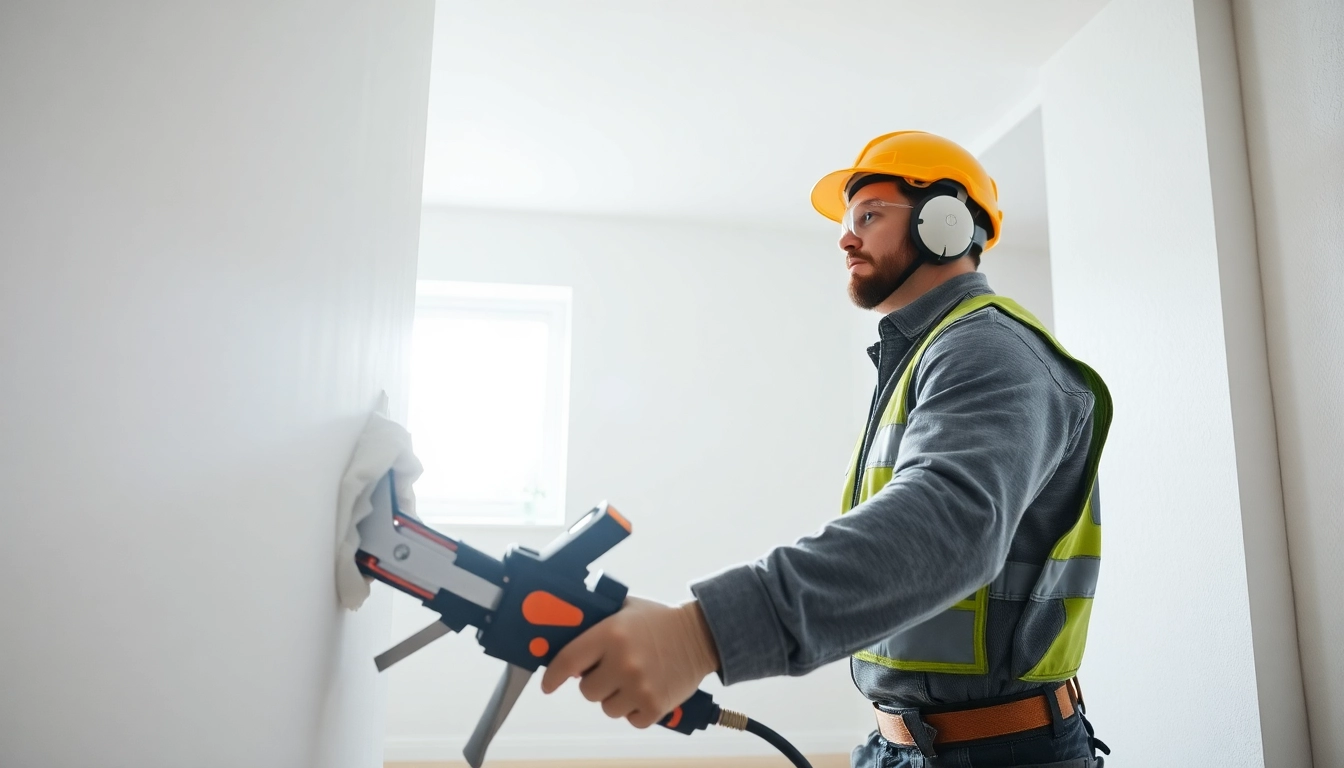
Understanding Spray Foam and Its Applications
What is Spray Foam?
Spray foam is a type of insulation material made by mixing two components: a resin and a hardener. When these components are combined, they expand rapidly to form a rigid, insulated layer that can be sprayed onto various surfaces. This property makes it an excellent insulating solution for homes and commercial buildings. Due to its unique chemical composition, spray foam offers high R-values, enhancing energy efficiency while also providing moisture and air sealing capabilities. Knowing about spray foam removal West Sussex can be crucial if the insulation performs poorly or deteriorates over time.
Common Uses of Spray Foam
Spray foam is widely utilized in various applications, including:
- Residential Insulation: Homes often employ spray foam to insulate attics, walls, and crawl spaces. Its excellent air-sealing qualities reduce drafts and heating costs.
- Commercial Buildings: Businesses frequently use spray foam for its energy efficiency and soundproofing benefits.
- Roofing Systems: Spray foam can also serve as a roofing material, providing water resistance and insulation.
- Soundproofing: The density and thickness of spray foam make it effective as a sound barrier for both residential and commercial buildings.
Benefits of Spray Foam Insulation
Spray foam insulation presents numerous advantages:
- Energy Efficiency: By sealing gaps and preventing air leaks, spray foam significantly enhances your home’s energy efficiency, leading to lower utility bills.
- Moisture Control: Its closed-cell foam variant acts as a moisture barrier, safeguarding structures from mold and mildew.
- Durability: Unlike traditional insulation materials, spray foam does not sag or settle, ensuring long-lasting performance.
- Environmental Benefits: Many spray foam products are made from renewable resources and can contribute to LEED certification for green buildings.
Signs You Need Spray Foam Removal West Sussex
Identifying Bad Insulation Performance
Over time, even the best insulation can deteriorate. Signs that your spray foam insulation isn’t performing as it should include:
- Inconsistent Temperatures: If certain areas of your home remain too hot or cold, it might indicate a failure in the spray foam insulation.
- High Energy Bills: A sudden spike in energy costs could suggest that your insulation is not working effectively.
- Visible Damage: Cracks, shrinkage, or discoloration in the foam can be indicators of poor performance.
Recognizing Health Hazards
While spray foam is generally safe, complications may arise if the foam degrades or is improperly installed. Potential health hazards include:
- Off-gassing: Deteriorating foam can release harmful chemicals, particularly isocyanates, which are linked to respiratory issues.
- Mold Growth: If moisture is trapped, mold can develop within the foam, posing health risks to occupants.
Structural Impact of Damaged Foam
Compromised spray foam insulation may also have significant structural implications:
- Reduced Structural Integrity: If spray foam insulation is installed in load-bearing areas and deteriorates, it could undermine the structural integrity of your building.
- Pest Infestation: Gaps in insulation can lead to pest intrusion, which can damage the interior of your home.
Step-by-Step Process of Spray Foam Removal
Preparation and Safety Measures
Before undertaking spray foam removal, it’s crucial to take precautions: ensure you have proper personal protective equipment (PPE), including gloves, goggles, and a mask. Prepare the area by clearing space and ensuring proper ventilation to avoid inhaling fumes.
Removal Techniques and Tools
The removal of spray foam can be complex and requires specific tools and techniques:
- Utilization of Heat Guns: A heat gun can soften spray foam, making it easier to scrape off surfaces.
- Mechanical Scrapers: Use scrapers or rotary tools with suitable attachments to carefully remove the foam without damaging underlying surfaces.
- Chemical Removers: There are specialized chemical solutions designed to break down spray foam, which may simplify the removal process.
Post-Removal Cleanup and Restoration
After removal, it’s important to clean the area thoroughly. This includes disposing of all foam debris responsibly and cleaning surfaces to prepare for new insulation or repairs. Repair any damage caused by the initial spray foam installation. Applying new insulation can significantly enhance your home’s efficiency if necessary.
DIY vs. Professional Spray Foam Removal
Pros and Cons of DIY Removal
Removing spray foam insulation yourself can save money, but it comes with risks. Pros include cost savings and the ability to control the process. However, cons may involve potential health hazards, improper removal leading to structural damage, and the need for specialized equipment.
When to Hire a Professional
Hiring a professional is wise if you encounter complex installations or significant health hazards. Professionals have the experience and tools necessary to ensure safe and efficient removal, mitigating risks associated with inadequate handling.
Cost Considerations for Removal Services
The cost for spray foam removal can vary widely based on the size and complexity of the job. On average, you may expect to pay between £1,000 and £2,500 depending on various factors, including the extent of foam removal needed, labor costs, and any required repairs post-removal.
Frequently Asked Questions about Spray Foam Removal West Sussex
How long does spray foam removal take?
The duration for removing spray foam varies based on the area involved but typically ranges from a few hours to a couple of days.
Is spray foam removal safe for my home?
Yes, when performed correctly, spray foam removal is safe. Following appropriate safety measures reduces health risks associated with removal.
What are the signs of inadequate insulation?
Signs include inconsistent home temperatures, mold growth, increased utility bills, and visible damage to insulation materials.
Can I reuse spray foam materials?
Reusing spray foam is not advised, as its effectiveness may diminish once it has been cured and removed from surfaces.
How much does spray foam removal cost?
The cost can range from £1,000 to £2,500, depending on the extent of the removal and any necessary repairs.
