

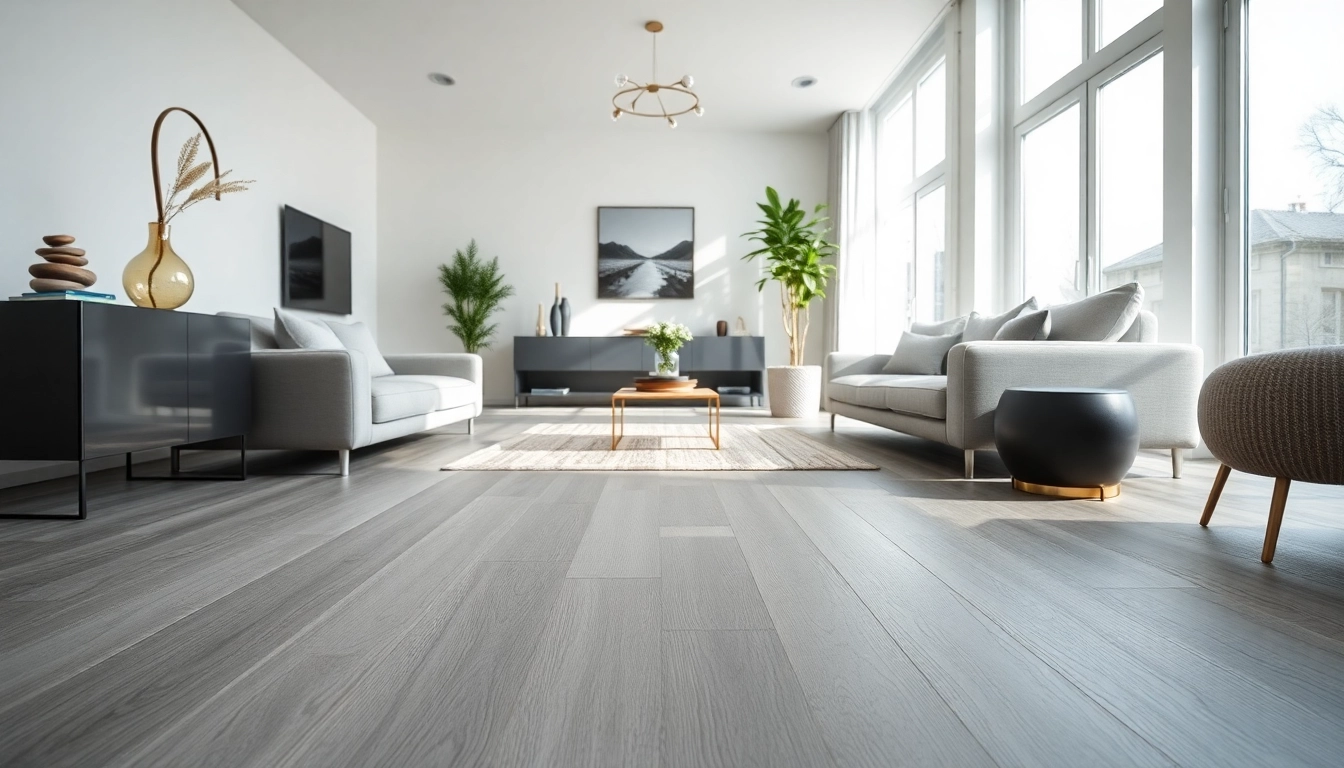
Understanding LVP Flooring
What is LVP Flooring?
Luxury Vinyl Plank (LVP) flooring is a high-quality synthetic flooring option designed to replicate the appearance of wood, stone, or ceramic tiles. Made from multiple layers of polyvinyl chloride (PVC), LVP combines durability with a stunning aesthetic, making it an attractive choice for homeowners and commercial spaces alike. Its popular appeal originates from its resilience against scratches, moisture, and heavy foot traffic, while retaining a natural look that enhances any interior design.
Benefits of Best LVP Flooring
The best lvp flooring offers numerous advantages that make it a standout choice over other flooring types. Firstly, its water resistance means it can be installed in areas prone to spills, such as kitchens and bathrooms, without the risk of warping. Secondly, LVP is comfortable underfoot; it does not retain cold like tile flooring, making it a cozy option during colder seasons. Additionally, LVP is often easier to clean and maintain due to its smooth surface, requiring only regular sweeping and occasional mopping to keep it looking pristine.
LVP vs. Traditional Flooring Options
When comparing LVP to traditional flooring options, it’s essential to consider both performance and aesthetic value. Unlike hardwood floors, which may be susceptible to scratches and moisture, LVP can withstand daily wear and tear while closely mimicking the rich texture and appearance of real wood. Moreover, LVP is typically more affordable than both hardwood and ceramic tiles, ensuring that homeowners can achieve the look they desire without breaking the bank. Environmental factors also play a role; many LVP products are designed with sustainability in mind, offering a greener alternative without sacrificing quality.
Choosing the Right Style
Popular Designs for Best LVP Flooring
The versatility of LVP flooring allows for a myriad of design options to suit various styles. Popular choices include plank sizes ranging from wide to narrow, facilitating an array of design aesthetics—rustic, modern, or classic. Unlike more permanent flooring options, LVP gives homeowners the flexibility to change styles without extensive renovations. Some trending designs incorporate textures that mimic reclaimed wood or distressed finishes, providing a unique flair that can enhance a room’s character.
Color and Texture Considerations
When selecting the color and texture of your LVP flooring, consider the existing furnishings and overall color scheme of your space. Lighter hues can make a room feel larger and more open, while darker tones add warmth and coziness. Textured finishes can enhance the realistic appearance of the flooring, creating depth and visual interest. For instance, a hand-scraped or embossed surface can add an authentic touch, while a smooth, polished surface may suit more contemporary spaces. Ultimately, the choice should reflect your personal style and enhance the overall aesthetic of your home.
Matching LVP with Interior Décor
Successfully integrating LVP flooring with your interior décor involves a keen eye on matching elements such as wall color, furniture style, and lighting. For instance, pairing a light oak LVP with white walls can create a bright and airy atmosphere, while a deep walnut finish might complement rich, dark furniture for a cozier effect. Additionally, incorporating area rugs on top of LVP can add layering and texture, enhancing the visual appeal of the room. Accessories, artwork, and plants can also work to tie the space together, ensuring a cohesive design approach.
Installation Tips for LVP Flooring
Preparing Your Space for Installation
Before installing LVP flooring, it’s crucial to prepare your space adequately. Start by removing any existing flooring and ensuring that the subfloor is clean, dry, and level. Any imperfections, such as bumps or protrusions, should be smoothed out to avoid complications during installation. Proper acclimation is also essential; letting the LVP planks sit in the room where they will be installed for 48 hours helps them adjust to the temperature and humidity, reducing the risk of expansion or contraction later on.
Step-by-Step Installation Guide
Installing LVP flooring can be a straightforward DIY project. Here’s a simple step-by-step guide:
- Gather Tools: Ensure you have all necessary tools, including a utility knife, measuring tape, spacers, and a tapping block.
- Measure and Plan: Measure your room and create a layout plan to determine how the planks will fit best.
- Starting Point: Choose a starting point, typically along the longest wall, and lay down the first plank. Use spacers to ensure a gap along the wall for expansion.
- Continue Laying Planks: Click the planks together, utilizing the tongue-and-groove system, and continue down the line while ensuring that seams are staggered.
- Cutting Borders: Use a utility knife to cut planks to fit along the edges and corners where necessary.
- Final Touches: Once installed, remove spacers and install baseboards or molding to finish the look.
Common Mistakes to Avoid
When installing LVP flooring, avoiding common pitfalls is essential. One major mistake is not allowing the planks to acclimate before installation, which can lead to buckling or gaps later. Additionally, neglecting to prepare the subfloor properly can result in an uneven surface that leads to future issues. Homeowners should also be cautious when cutting planks; making precise cuts is crucial to ensuring a seamless fit. Lastly, failing to stagger the seams can result in a visually unappealing and structurally weak installation.
Maintenance and Care
Best Practices for Cleaning LVP Flooring
Maintaining the beauty of your LVP flooring is relatively easy. Regular sweeping or vacuuming to remove dirt and debris is essential, as grit can scratch the surface over time. For deeper cleaning, a damp mop with a pH-neutral cleaner is recommended—avoid harsh chemicals as they can damage the finish. Additionally, placing mats at entry points can help trap dirt before it reaches your floors, maintaining their pristine condition.
Preventing Damage to Your Flooring
To prevent damaging your LVP flooring, consider using felt pads under furniture to avoid scratching and avoid dragging heavy items across the surface. Additionally, be mindful of moisture; while LVP is water-resistant, excessive water can seep into the seams and potentially cause issues over time. Use a humidifier in the winter to prevent extreme dryness that could affect the flooring and maintain optimal humidity levels.
When to Call a Professional for Repairs
Though LVP flooring is designed to be durable and easy to maintain, issues may arise that require professional assistance. For significant water damage, large gouges, or foundational problems, contacting a flooring professional is crucial to ensure proper repairs are made. Additionally, if you notice persistent bowing or buckling, it may indicate a problem that needs expert evaluation and remediation to preserve the integrity of your flooring.
FAQs About LVP Flooring
How durable is best lvp flooring?
Best lvp flooring is highly durable, often resistant to scratches, dents, and stains, making it an excellent choice for high-traffic areas, including homes with pets and children.
Can I install LVP flooring myself?
Yes, many homeowners opt to install best lvp flooring themselves thanks to its user-friendly design. Following a detailed installation guide can lead to successful results.
What is the average cost of best lvp flooring?
The average cost of best lvp flooring varies based on quality and brand, typically ranging from $2 to $7 per square foot, excluding installation costs.
Is best lvp flooring waterproof?
Many brands of best lvp flooring are water-resistant, making them suitable for moist environments, though complete waterproofing may vary by product.
How do I maintain best lvp flooring?
Maintain best lvp flooring with regular sweeping or vacuuming, a damp mop with a mild cleaner, and by addressing spills immediately to prevent damage over time.