

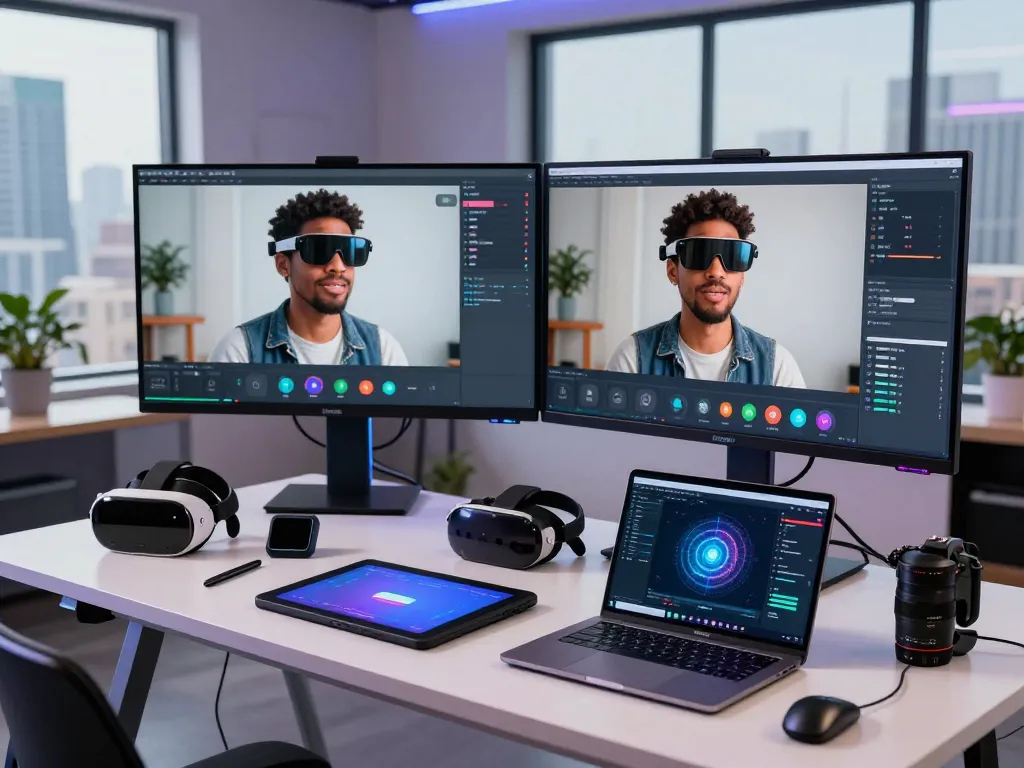
Understanding Kling 2.12: The Next Leap in AI Motion Control
The advancements in artificial intelligence have significantly transformed the way we create and consume visual content. Among the leaders in this evolution is Kling 2.12, a state-of-the-art motion control AI that takes the art of image-to-video transformation to new heights. By harnessing the power of cutting-edge machine learning algorithms, Kling 2.12 provides users with the ability to create seamless, high-quality videos from static images, essentially bringing still photos to life. With its intuitive interface and advanced features, this tool caters to creators, marketers, and anyone looking to add a cinematic touch to their projects. When exploring options, kling 2.12 offers comprehensive insights that can help enhance your creative workflow.
What is Motion Control AI and Its Significance?
Motion Control AI is a specialized form of artificial intelligence designed to analyze and replicate motion dynamics from reference videos to static images. This technology allows users to generate videos that maintain the intended motion paths and behavior of the subject being animated. The significance of Motion Control AI lies in its ability to create realistic video content without the need for complex manual keyframing or animation expertise. By automating these processes, creators can save time and resources while delivering professional-quality results that meet the exacting standards of today’s media landscape.
Key Features of Kling 2.12 Compared to Previous Versions
- Enhanced Motion Path Control: Kling 2.12 introduces precise algorithms that allow users to define motion paths with greater accuracy, ensuring that movements are realistic and fluid.
- Facial Expression Synchronization: This version enhances the ability to modify facial expressions, resulting in more expressive and nuanced character animations.
- High-Resolution Outputs: Kling 2.12 supports the generation of videos in higher resolutions than ever before, catering to the demands of modern digital platforms.
- Rapid Video Rendering: By optimizing its processing capabilities, Kling 2.12 significantly reduces the time it takes to generate videos, allowing for a more efficient creative process.
- Improved User Interface: The interface has been streamlined for easier navigation, making the software accessible to both seasoned professionals and newcomers alike.
How Kling 2.12 Enhances Image-to-Video Transformation
Kling 2.12 is designed to maximize the creative potential of image-to-video transformation. It achieves this through an advanced analysis of both the source image and reference video, ensuring that the motion transfer appears natural and believable. By maintaining character identity—through consistent facial features and body proportions—Kling 2.12 eliminates common issues such as visual drift and identity distortion that plagued earlier models. This precision allows creators to produce videos that resonate with audiences, making the final output not only visually appealing but also contextually relevant.
Getting Started with Kling 2.12: A Step-by-Step Guide
Setting Up Your Environment for Optimal Use
Before diving into the capabilities of Kling 2.12, it is essential to ensure your setup can handle the software’s demands. You’ll need a computer with a robust graphics card, sufficient RAM, and a reliable internet connection to facilitate smooth operation. It’s also advisable to have the latest version of your operating system installed, as well as necessary drivers for your hardware. Preparation sets the stage for an efficient and productive experience with this powerful AI tool.
Uploading Images and Reference Videos Effectively
One of the first steps in utilizing Kling 2.12 is uploading the images and reference videos that will serve as the foundation for your projects. The guidelines for uploading are straightforward: ensure that the images are high-resolution (preferably full-body or half-body with visible backgrounds), and that reference videos clearly showcase the movements you’d like to replicate. Effective uploads are crucial for maintaining the integrity of the generated videos.
Utilizing Text Prompts for Enhanced Video Outputs
Text prompts are a notable feature that allows users to guide the AI in generating videos. By describing specific actions, camera angles, or atmospheric elements, users can influence the final output significantly. This flexibility enables creators to tailor their videos to fit their artistic vision or to meet the requirements of particular projects.
Best Practices for Achieving Professional Results with Kling 2.12
Choosing the Right Image and Motion Clips
Success in using Kling 2.12 hinges on selecting appropriate images and motion clips. For optimal results, ensure that your image and motion references share similar dimensions and framing. When working with full-body images, pair them with full-body motion clips, and likewise for half-body images. This alignment helps maintain stability in character positioning and enhances the overall animation quality.
Maintaining Consistency in Character Identity and Motion
Character identity preservation is vital for creating believable animations. Kling 2.12 excels in maintaining consistent facial features, body proportions, and clothing across frames. To leverage this feature effectively, choose reference videos that do not distort these elements, and ensure that the environment remains consistent throughout the motion sequences.
Leveraging Advanced Features for Superior Video Quality
Take advantage of Kling 2.12’s advanced features, such as dynamic camera control and scene composition tools, to enhance the cinematic quality of your videos. Use independent camera pans and zooms alongside character movements for a professional touch that can elevate your content dramatically. The ability to control these elements allows for greater creativity in visual storytelling.
Common Challenges When Using Kling 2.12 and How to Overcome Them
Dealing with Visual Drift and Identity Preservation
Visual drift can occur when the animation doesn’t maintain a consistent alignment with the original reference materials. To minimize this issue, ensure that your reference videos are stable and the actions demonstrated are within a controlled range of movement. Regularly previewing the generated output during the process can help catch discrepancies early on.
Understanding Motion Path Control for Accurate Execution
Accurate motion path control is fundamental for producing high-quality animations. Users must familiarize themselves with the motion setting features within Kling 2.12, which allow for adjustments in direction, timing, and speed of character movements. Experimenting with these settings will enable creators to master the art of animation, resulting in more engaging content.
FAQs: User Concerns and Expert Solutions
- Can I use Kling 2.12 for commercial projects? Yes, Kling 2.12 is suitable for commercial use, provided that all content complies with copyright laws.
- How fast is video generation with Kling 2.12? Kling 2.12 optimizes rendering speeds, allowing users to generate videos in mere minutes, depending on the complexity of the project.
- Does Kling 2.12 support facial expression changes? Absolutely! The software offers enhanced tools for capturing and modifying facial expressions, ensuring more emotionally resonant animations.
- What image settings produce the best results in Kling 2.12? High-resolution images with clear backgrounds and consistent framing with the motion clips yield the best results.
- Why should I choose Kling 2.12 over other models? Kling 2.12 stands out for its advanced motion control, high-quality outputs, and user-friendly interface, making it a top choice among image-to-video solutions.
Future Trends in AI Motion Control Technology
What Lies Ahead for Kling AI and Image-to-Video Models?
The future of AI motion control technology looks bright with continuous innovations in machine learning and computer vision. Kling AI is committed to enhancing its offerings, which might include greater interactivity, real-time rendering capabilities, and even deeper integration of augmented reality elements into video production. These advancements will undoubtedly empower creators and offer endless possibilities in video storytelling.
Emerging Innovations in Motion Control AI
As AI technology evolves, we can expect emerging solutions that integrate seamlessly with existing frameworks in video production. Innovations such as AI-enhanced voice synthesis for character dialogues and automatic background adjustment based on action context are on the horizon. These features will expand the creative palette for users, facilitating more intricate narratives and immersive experiences.
Predictions for AI Video Creation in the Next Five Years
In the coming years, AI video creation is likely to become more democratized, allowing non-professionals to engage in high-quality video production. As tools like Kling 2.12 become increasingly accessible, we may witness a surge in user-generated content that rivals traditional media outputs. Additionally, the blending of AI with blockchain technology could offer new avenues for content verification and digital rights management, ensuring creators are duly recognized and compensated for their work.