

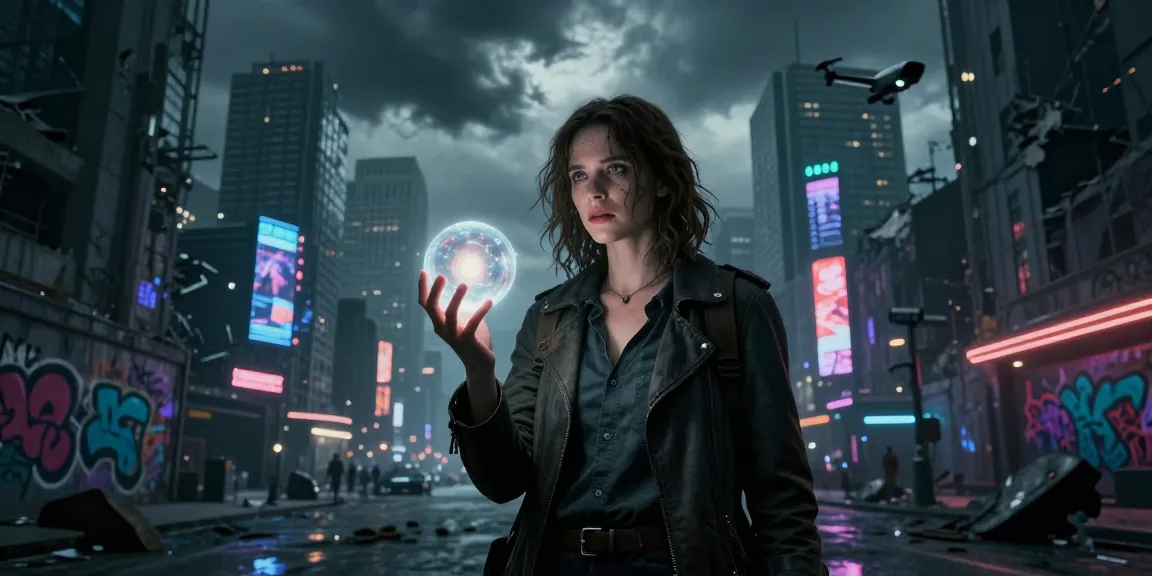
Understanding Dystopian Fiction
Dystopian fiction has long captivated readers with its powerful exploration of societal challenges and human resilience. This genre often paints a picture of a future where everything has gone awry — a world grappling with oppressive regimes, environmental catastrophes, and extreme restrictions on personal freedoms. In such narratives, the struggle for autonomy and emotional expression becomes not just a battle for survival but a profound journey toward reclaiming one’s humanity. Dystopian fiction serves as a mirror reflecting our current societal anxieties, offering insight and commentary that resonates deeply with contemporary readers.
What Defines Dystopian Fiction?
Dystopian fiction is characterized by its bleak and often oppressive settings, where societal structures have warped into something cruel and dysfunctional. Typically set in a future where society is characterized by widespread suffering and injustice, these narratives often involve some form of totalitarian government or catastrophic environmental change. Some defining elements include:
- Oppressive Control: A governing body that exerts excessive control over the population, often through surveillance or propaganda.
- Loss of Individual Freedom: Characters struggle against a system that suppresses personal freedoms and emotional expression.
- Environmental Catastrophe: Many dystopias reflect real-world concerns over ecological sustainability, highlighting the consequences of neglecting our planet.
- Technological Domination: Advanced technology is often portrayed as a means of oppression rather than liberation.
- Moral and Ethical Dilemmas: Protagonists frequently face complex moral decisions that challenge their values and beliefs.
The Historical Context of Dystopian Narratives
The roots of dystopian fiction can be traced back to early works of literature, with significant milestones including Aldous Huxley’s Brave New World and George Orwell’s 1984. These classics set the stage for modern interpretations of dystopia, blending elements of social criticism with speculative fiction. Over the years, the genre has evolved, absorbing influences from various historical events, including the Cold War and recent technological advancements. Recent entries like Richard French’s The Emotion Collector: Awakening continue this tradition, intertwining personal narratives with broader societal issues.
Key Themes in Dystopian Literature
Dystopian literature addresses a variety of themes that resonate with readers, including:
- Emotional Suppression: As exemplified in The Emotion Collector: Awakening, emotional expression is often depicted as a revolutionary act against a repressive regime.
- Identity and Resistance: Protagonists frequently embark on journeys of self-discovery while challenging the status quo.
- Consequences of Apathy: Many stories emphasize the dangers of complacency in the face of societal decay.
- Hope and Redemption: Despite their grim settings, dystopian narratives often conclude with a glimmer of hope, suggesting that change is possible.
The Rise of Dystopian Fiction in 2026
The past few years have witnessed a renewed interest in dystopian narratives as global challenges prompt audiences to reflect on the trajectory of our societies. In 2026, readers are increasingly drawn to stories that grapple with modern issues, such as climate change, social injustice, and technological overreach. As a result, the genre continues to thrive, encouraging deeper explorations into the human condition.
Current Trends in Dystopian Storytelling
Today’s dystopian fiction is characterized by a diversity of voices and perspectives. More authors are integrating cultural and ethnic narratives, enriching the genre’s depth and relevance. Furthermore, dystopian tales are increasingly featuring:
- Intersectionality: Addressing how various forms of oppression intersect, creating complex challenges for characters.
- Fragmented Narratives: Employing non-linear storytelling techniques to reflect the chaos of the worlds they depict.
- Environmental Focus: Highlighting ecological themes, as seen in works like The Emotion Collector, where emotional energy is linked to planetary health.
Popular Dystopian Fiction Examples from Recent Years
Among the standout dystopian novels, several recent releases have sparked interest:
- The Handmaid’s Tale by Margaret Atwood – A chilling exploration of totalitarianism and female oppression.
- The Water Knife by Paolo Bacigalupi – A gripping narrative set in a future where water is a scarce commodity.
- The Testaments by Margaret Atwood – A sequel to Atwood’s original, further delving into the oppressive regime of Gilead.
- The Emotion Collector: Awakening by Richard French – Blending ecological science fiction with intimate personal struggles.
The Role of Social Commentary in Modern Dystopian Tales
Dystopian fiction frequently serves as a powerful vehicle for social commentary. Through exaggerated representations of current issues, authors encourage readers to reflect on the potential future of society. By portraying worlds where systemic inequalities have spiraled out of control, these narratives prompt us to confront uncomfortable truths about our realities and to advocate for change.
Why Dystopian Fiction Matters Today
In our rapidly changing world, dystopian fiction offers critical insights into the human experience. It not only entertains but also educates and empowers readers to recognize the importance of emotional authenticity and personal agency. As society grapples with rising inequalities and tensions, engaging with these stories becomes increasingly relevant and necessary.
Exploring Emotional Suppression in Society
In many dystopian narratives, emotional suppression is a central theme, reflecting real-world struggles against societal expectations that discourage vulnerability. Stories like The Emotion Collector: Awakening highlight how the suppression of feelings can lead to broader societal decay. These portrayals serve as cautionary tales, reminding us of the importance of emotional freedom and connection.
Lessons from Dystopian Worlds
Dystopian fiction offers a unique perspective on resilience and rebellion. Readers glean lessons on the importance of empathy, standing against oppression, and the value of community. By witnessing characters navigate their struggles, we gain insight into our own responses to adversity and the choices we must make in the face of systemic challenges.
The Impact of Dystopian Fiction on Reader Perspectives
Through the lens of dystopia, readers are prompted to critique their surroundings actively. Engaging with characters and their journeys can foster greater empathy and understanding, helping audiences recognize the nuances of real-world issues. The genre encourages critical thinking, prompting discussions around ethics, governance, and personal responsibility.
Engaging with Dystopian Fiction
For readers looking to explore the rich landscape of dystopian fiction, engaging with the genre can be a transformative experience. Here are several strategies to maximize your exploration:
How to Choose the Right Dystopian Books for You
Finding the perfect dystopian novel is key to enjoying the genre. Begin by considering what aspects resonate with you — are you drawn to political intrigue, environmental themes, or personal narratives? Recommendations from trusted sources, combined with reviews from other readers, can guide your selection process.
Building a Dystopian Fiction Reading List
To create a well-rounded reading list, consider including a mix of classic and contemporary works. Here are a few suggestions:
- Classic works like Fahrenheit 451 by Ray Bradbury and 1984 by George Orwell.
- Contemporary titles such as The Hunger Games by Suzanne Collins and The Emotion Collector: Awakening by Richard French.
- Diverse voices from different cultures to ensure a broad range of perspectives.
Participating in Dystopian Fiction Communities
Engaging with communities centered around dystopian fiction can enrich your reading experience. Online forums, book clubs, and social media groups offer great opportunities to discuss themes and share recommendations. Participating in discussions can deepen your understanding and appreciation of the genre while also connecting you with like-minded individuals.
Future Predictions in Dystopian Literature
As we move further into the 21st century, the landscape of dystopian literature is poised for exciting developments. Factors such as technological advancements, social movements, and global issues will undoubtedly shape the genre’s trajectory.
Emerging Voices in Dystopian Fiction
New voices continue to emerge, bringing diverse perspectives to the forefront of dystopian storytelling. As authors explore their unique experiences and cultural backgrounds, the genre broadens in scope, offering fresh insights into the human condition.
Innovative Formats and Storytelling Techniques
With advancements in technology, we can expect to see innovative storytelling formats — from interactive narratives to multimedia experiences that immerse readers in dystopian worlds. These new techniques may enhance engagement, offering fresh ways to experience the genre.
The Enduring Appeal of Dystopian Themes
Despite evolving societal landscapes, the enduring appeal of dystopian themes lies in their ability to resonate with fundamental human experiences. Readers continue to seek understanding and reflection on their world through narratives that may be exaggerated, yet truthfully depict the struggles for autonomy, justice, and emotional authenticity.
What are the primary characteristics of dystopian fiction?
Key characteristics of dystopian fiction include oppressive government control, a stark lack of personal freedoms, and environments that reflect societal decay. These elements work together to create compelling narratives that challenge readers to think critically about their own realities.
How has dystopian fiction evolved over time?
Dystopian fiction has evolved from early warnings against totalitarian regimes to embrace contemporary issues such as climate change, technological overreach, and social justice movements. The genre reflects the ever-changing concerns of society, adapting to resonate with today’s readers.
What should readers look for in contemporary dystopian novels?
When selecting contemporary dystopian novels, readers should look for authentic character development, well-crafted worlds that reflect real societal issues, and compelling narratives that inspire reflection and dialogue.
How can dystopian fiction reflect real-world issues?
Dystopian fiction serves as a lens through which readers can understand and critique real-world issues. By exaggerating current societal problems, these narratives encourage discussions about governance, ethics, and the human experience, prompting readers to consider their roles in effecting change.
What are the most anticipated dystopian books for 2026?
As we look ahead to 2026, numerous highly anticipated releases are set to further enrich the dystopian landscape. Keep an eye out for new works from both established authors and emerging voices, as they tackle pressing issues of our time through their narratives.
